September 11 is one of those dates that doesn’t need much explanation.
For those of us old enough to remember 2001, simply seeing 9/11 is enough.
We remember the airplanes.
The towers.
The smoke.
The Pentagon.
The field in Pennsylvania.
We remember watching something almost unimaginable unfold before our eyes.
And many of us remember exactly where we were when we first heard what was happening.
Twenty-five years later, the images are still difficult to comprehend.
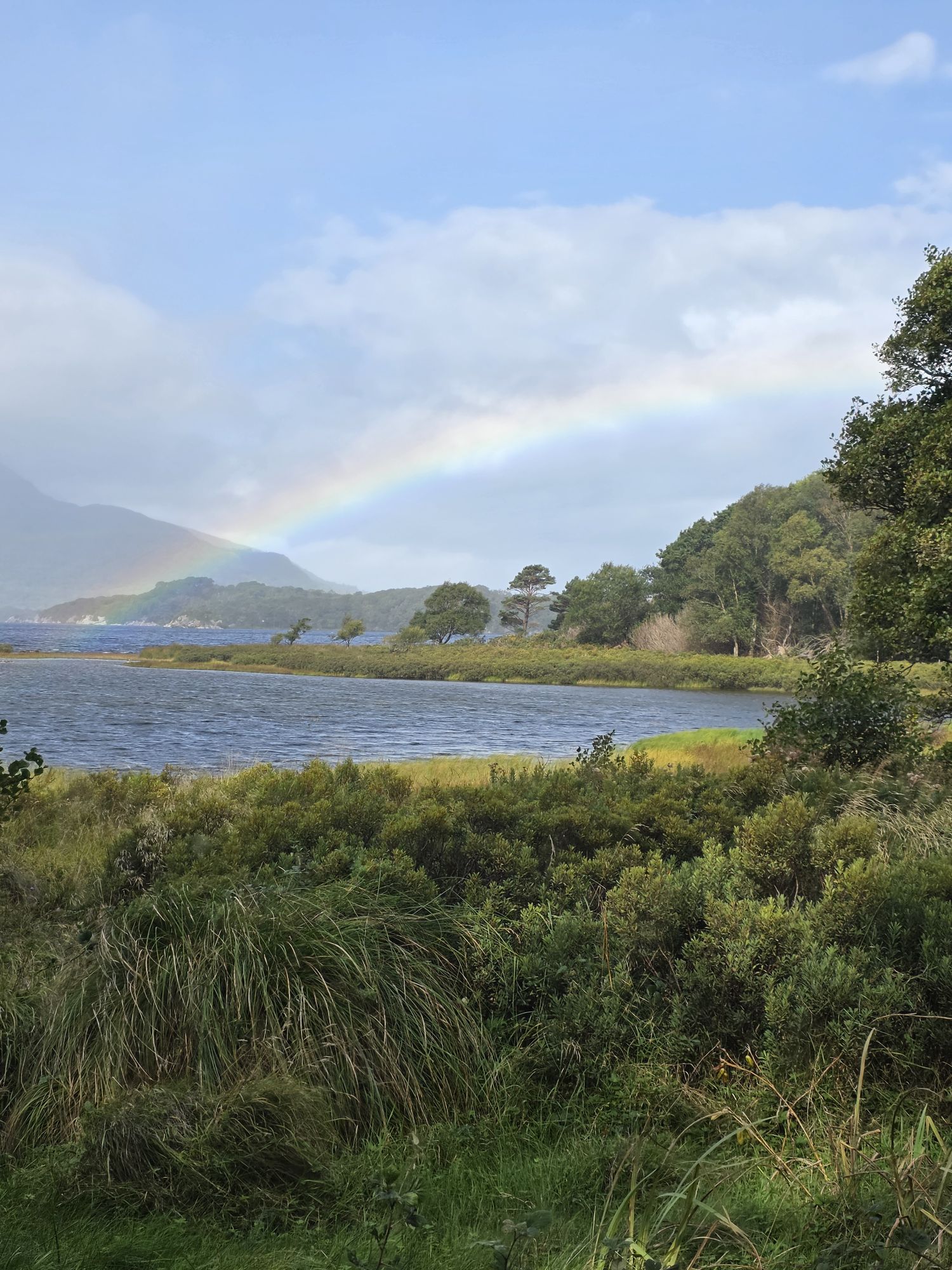
As I write this, my wife and I are in Killarney, Ireland—a place that, at least from a visitor’s perspective, feels remarkably peaceful.
There is something almost jarring about remembering September 11 from here. Because during my own lifetime, Ireland was also a place where violence rooted in deep political, national and religious divisions regularly made the news.
I remember hearing about bombings and killings connected with the Troubles. For decades, peace in Northern Ireland sometimes seemed impossibly far away.
And yet, in 1998, people who had very good reasons to distrust one another chose another path. The Good Friday Agreement didn’t erase the history, heal every wound or eliminate every disagreement. But it helped bring an end to decades of widespread violence.
That’s worth thinking about.
Because peace doesn’t require pretending that our differences aren’t real. It requires deciding that hatred and violence don’t get the final word.
But this week, as I’ve thought about September 11 again, I’ve found myself thinking less about the people who brought violence into the world that morning and more about the people who ran toward it.
Firefighters.
Police officers.
Paramedics.
Ordinary people helping strangers.
Passengers on an airplane who realized what was happening and decided to act.
People who, in the middle of terror and chaos, chose courage, sacrifice and love.
And that has brought me back to something Jesus said:
On September 11, we saw horrifying examples of what human beings are capable of doing to one another. We also saw extraordinary examples of what human beings are capable of doing for one another. Twenty-five years later, I think both are worth remembering.
What Kind of People Will We Be?
Most of us will never face anything remotely like what people faced that morning.
I hope we never do.
But the call to be peacemakers isn’t reserved for moments of national catastrophe.
It’s mostly lived out in much smaller places.
Our homes.
Our marriages.
Our friendships.
Our churches.
Our workplaces.
Our neighborhoods.
And, increasingly, the little screens we carry around in our pockets.
That last one may be one of the places peacemakers are needed most.
We live in a culture that has become remarkably skilled at making enemies.
Politics.
Religion.
Race.
Immigration.
Gender.
War.
Social issues.
Even relatively trivial disagreements can quickly become opportunities to sort people into teams.
Us.
Them.
Good people.
Bad people.
People worth listening to.
People worth mocking.
And Christians aren’t immune.
Sometimes we’re among the loudest participants.
Yet Jesus said something that leaves us very little room for that:
God made peace with us at enormous cost to Himself. And now Jesus says to those of us who have received that peace: Go make some.
Twenty-Five Years Later
Twenty-five years have passed since September 11, 2001.
A generation has grown up knowing that day only as history.
For the rest of us, it remains something more personal.
We remember.
And we should.
We should remember those who died.
We should remember the families who lost people they loved.
We should remember the first responders.
We should remember the courage.
We should remember the sacrifice.
But perhaps remembrance should do more than make us look backward.
Perhaps it should make us ask what kind of people we want to be now.
The people who attacked America that morning demonstrated the terrible power of hatred.
The people who ran toward danger demonstrated something else.
Courage.
Sacrifice.
Love.
Twenty-five years later, hatred still isn’t difficult to find.
Neither is fear.
Neither is division.
What seems considerably harder to find are people willing to step into those things carrying peace.
Perhaps that’s one of the lessons of the country I’m visiting as I write this. Peace can seem impossible—right up until people begin doing the difficult work of making it.
Jesus says those people bear a family resemblance.
“Blessed are the peacemakers, for they will be called children of God.”
I don’t know that I’ll ever be asked to run into a burning building.
I pray I won’t.
But today I will almost certainly have opportunities to make peace.
To listen instead of attack.
To forgive instead of retaliate.
To lower the temperature instead of raising it.
To treat someone who disagrees with me as a person God loves rather than an enemy I need to defeat.
To bring a little bit of God’s shalom into a world that desperately needs it.
Those choices won’t make the history books.
Most of them won’t even be noticed.
But perhaps that’s how peace usually enters the world.
One conversation.
One relationship.
One act of forgiveness.
One courageous act of love at a time.
And twenty-five years after a day that showed us just how destructive hatred can be, maybe one of the best ways we can remember is to become the kind of people Jesus called blessed:
But lately I’ve been thinking that perhaps I haven’t always been very good at the lying down part.
Retirement Was Supposed to Be Relaxing
I retired in June.
At least that’s what the paperwork says.
My body might have a different opinion.
Somehow, the first few months of retirement turned into one of the busiest stretches I’ve had in quite a while.
There were projects.
Lots of projects.
Projects at our new home in Wyoming. Projects that led to other projects. Things that needed to be repaired, installed, moved, replaced, dug up, put back together or figured out.
And, as projects have an annoying tendency to do, some of them revealed additional projects hiding underneath.
Apparently retirement does not automatically come with a hammock.
By the time we left for this vacation, I was tired.
Not miserable.
Not ungrateful.
Just tired.
There is actually a lot about the past few months for which I’m deeply grateful.
I’ve been able to accomplish things I didn’t know whether I could accomplish.
I’ve learned things.
I’ve solved problems.
I’ve helped create a home and outdoor spaces that my family and I will enjoy for years.
And through all of it, God provided.
He provided the health and strength to do the work.
He provided the resources.
He provided people who helped when I needed help.
He provided solutions when I didn’t know what to do next.
Looking back, I can see His provision all over the summer.
But God’s provision isn’t always about giving us enough strength to keep going. Sometimes His provision is giving us permission to stop.
He Makes Me Lie Down
There’s a phrase in Psalm 23 that I’ve probably read too quickly for most of my life:
“He makes me lie down in green pastures.”
I’ve usually pictured that as a peaceful scene.
A shepherd.
Some sheep.
A beautiful green meadow.
Perhaps a stream nearby.
Very relaxing.
But there’s something almost amusing about the wording.
He makesme lie down.
Apparently the sheep doesn’t always have enough sense to do it on his own.
I can relate.
I’m pretty good at doing.
Give me a problem and I’ll try to solve it.
Give me a project and I’ll start figuring out how to accomplish it.
Give me a list and I’ll start checking things off.
Even when I’m tired, there’s usually one more thing that could be done.
One more problem that could be solved.
One more project that could be finished.
And there’s nothing inherently wrong with that. God created us to work, to build, to serve, and to accomplish things.
But He didn’t create us to do those things without stopping.
Even God rested after creation.
Not because He was exhausted.
But perhaps partly because He wanted to establish something we would otherwise have a difficult time accepting:
Rest is part of the design.
Receiving Is Part of Following
I’ve tended to think of following God mostly in active terms.
Go.
Do.
Serve.
Give.
Help.
Obey.
Persevere.
And all of those things are important.
But Psalm 23 presents another picture of following the Shepherd.
Sometimes following Him means allowing Him to lead me somewhere quiet.
Sometimes obedience looks less like accomplishing something and more like receiving something.
Green pastures.
Quiet waters.
Rest.
Beauty.
Time.
And that can be surprisingly difficult.
Because receiving requires trust too.
I have to believe that the world will continue turning if I stop working for a while.
I have to believe that not every unfinished project requires my immediate attention.
I have to believe that God isn’t measuring the value of my life by the number of things I accomplish in a day.
And perhaps most importantly, I have to remember that I am a sheep in Psalm 23.
I am not the Shepherd.
That’s an important distinction.
The Shepherd knows when it’s time to walk.
He knows when it’s time to climb.
He knows when it’s time to pass through the valley.
And He knows when it’s time to lie down.
My job is to follow.
He Refreshes My Soul
That leads to the next phrase:
“He refreshes my soul.”
I love that.
Because there are forms of tiredness that sleep alone doesn’t fix.
Sometimes what needs restoring isn’t merely the body.
It’s the soul.
And God has given us so many ways to experience that restoration.
A conversation with someone we love.
A walk through the woods.
The sound of water.
A sunset.
Music.
Laughter.
Prayer.
Silence.
A meal shared with people we care about.
Or perhaps sitting beside your wife on a train while the English countryside rolls past the window.
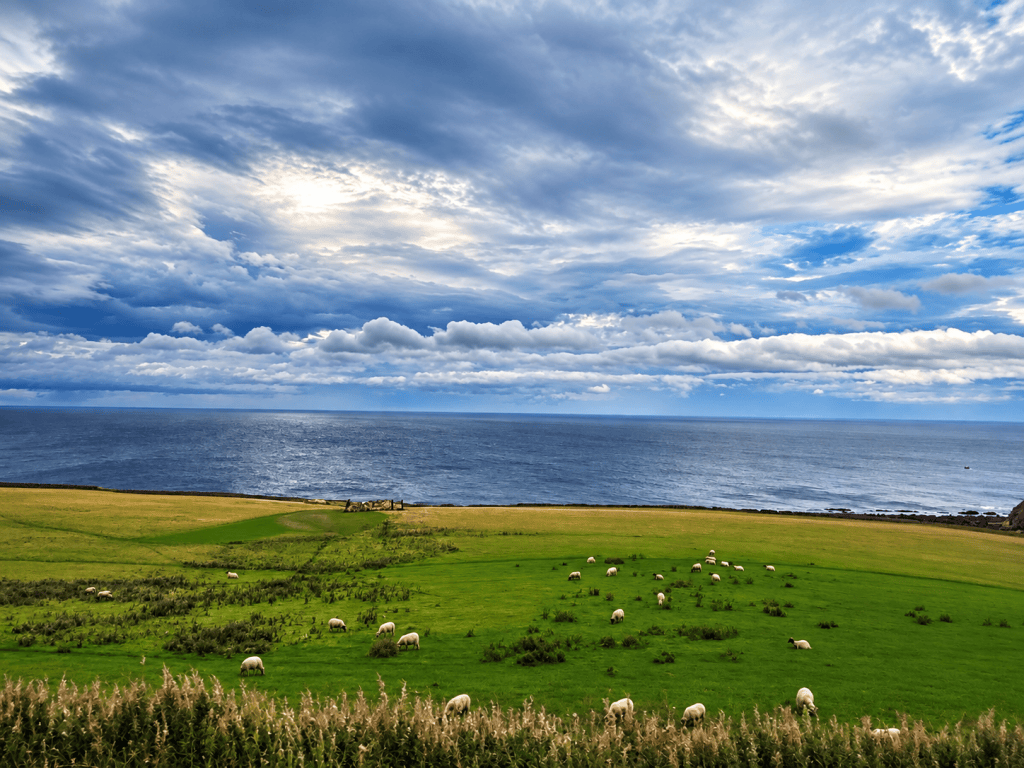
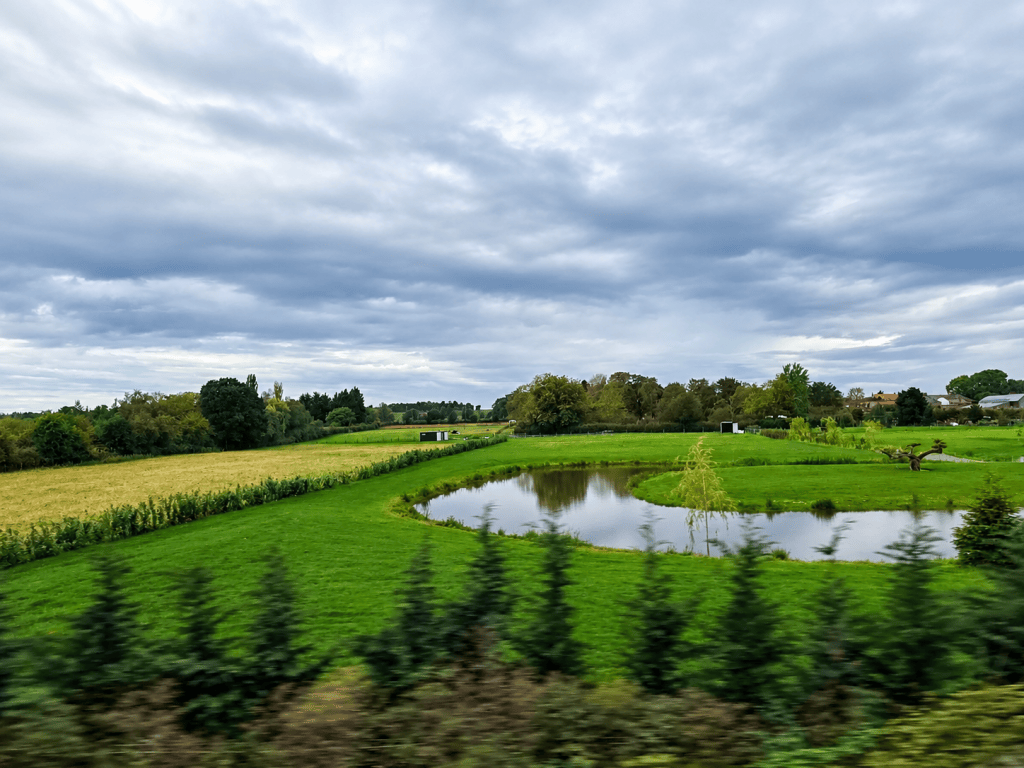
Green pastures and quiet waters seen from our train as we traveled from London to Edinburgh. Sometimes God restores our souls simply by giving us time to notice what He has made.
For the remainder of this vacation, I hope to do a lot more receiving than producing.
We’re going to see places we’ve never seen.
Walk through centuries of history.
Spend time together.
Eat some good food.
Hopefully sleep a little later occasionally.
And experience some extraordinary parts of God’s creation.
I’m sure we’ll have full days. Knowing us, we’ll probably walk too many miles on at least a few of them.
This isn’t going to be two weeks of lying beside a swimming pool.
But restoration doesn’t necessarily mean inactivity.
Sometimes restoration simply means stepping away from the things that have been consuming our attention long enough to notice something else.
Green Pastures at 125 Miles an Hour
Which brings me back to the window.
There’s something wonderfully ironic about finding myself thinking about rest while traveling at 125 miles an hour.
The train isn’t slowing down.
But I am.
For once, I don’t have to steer.
I don’t have to navigate.
I don’t have to fix anything.
I don’t even have to figure out how we’re getting to Edinburgh.
Someone else is handling that.
All I have to do is sit here.
And look out the window.
Maybe that’s not a bad picture of what God sometimes invites us to do with Him.
We spend so much of our lives trying to control the journey.
Where are we going?
How are we going to get there?
What happens next?
What if something goes wrong?
What am I supposed to do?
And our Shepherd says:
Follow Me.
Sometimes He leads us through difficult places.
Sometimes He gives us work to do.
Sometimes He asks us to keep walking when we’d rather stop.
But sometimes He leads us into green pastures.
And when He does, perhaps the faithful response isn’t to immediately start looking around for something that needs fixing.
Perhaps it’s simply to lie down.
To receive the gift.
To notice the beauty.
To enjoy the people He’s placed beside us.
To remember that He is God and we are not.
And to let Him refresh our souls.
As the countryside continues rushing past my window, I think that’s what I want to practice over the remainder of this trip.
Not escaping my life.
Not recovering from some terrible ordeal.
Simply receiving a season God has graciously provided.
Because maybe sometimes God restores our souls simply by giving us time to notice what He has made.
And perhaps the strangest part is that we can finally slow down enough to see it…
At the beginning of August, the pastor at our church in Casper began a sermon series on the book of Proverbs.
As part of the series, he challenged us to read one chapter of Proverbs each day for the entire month.
Conveniently, Proverbs contains 31 chapters.
August contains 31 days.
You don’t need a theology or math degree to figure out the reading plan.
So for the past month, I’ve been making my way through Proverbs one chapter at a time, following the Proverbs commentary and insights provided by Through the Bible on the YouVersion app.
I’ve read Proverbs many times before. I’ve encountered its best-known verses countless times. But there’s something different about reading the entire book this way—slowly enough to absorb it, but quickly enough to begin noticing themes that run throughout it.
Wisdom.
Foolishness.
Humility.
Pride.
Words.
Work.
Money.
Marriage.
Friendship.
Anger.
Temptation.
Generosity.
Discipline.
Planning.
Listening.
And occasionally, dogs doing disgusting things.
We’ll get to that.
But as I’ve worked my way through the book this month, I’ve been reminded of something I should have realized a long time ago.
I’ve spent much of my Christian life asking God for guidance.
And all along, He’s already given me an awful lot of it.
Lord, What Should I Do?
One of the most consistent prayers of my Christian journey has been some variation of:
Lord, what do You want me to do?
I’ve prayed it before major decisions.
Career changes.
Moves.
Financial decisions.
Family decisions.
Retirement.
And countless smaller decisions that I’ve long since forgotten.
I want my life to be aligned with God’s will.
I want to go where He wants me to go.
I want to do what He wants me to do.
I want to become the person He wants me to become.
And sometimes I’ve wished He’d make His answer a little more obvious.
A booming voice from heaven would be helpful.
A burning bush would certainly get my attention.
I’d even settle for a clearly worded text message.
Instead, there have been plenty of times when I’ve prayed for direction and heard…
nothing.
At least nothing I could clearly identify as an answer.
And I’ve wondered:
God, why don’t You just tell me what You want me to do?
Reading Proverbs this month reminded me that sometimes His response could quite reasonably be:
I already have.
Wisdom Hiding in Plain Sight
Proverbs isn’t primarily a book of instructions for extraordinary moments.
It’s a book about how to live an ordinary life wisely.
And it turns out God has quite a bit to say about that through Solomon, King David’s son, whom God blessed with extraordinary wisdom and who is traditionally regarded as one of the wisest men who ever lived.
For example, when I’m tempted to make an important decision entirely on my own:
“Plans fail for lack of counsel, but with many advisers they succeed.”
God has given us principles about choosing friends, handling money, controlling anger, resisting temptation, working diligently, accepting correction, raising children, treating the poor, avoiding pride, speaking carefully, seeking counsel, and making plans.
Apparently, He hasn’t been nearly as silent as I sometimes imagine.
Maybe I’ve just been listening for an answer He has already written down.
The Dog Has Entered the Conversation
Of course, not every proverb sounds like something you’d embroider on a pillow.
There are some…less delicate ones.
One morning this month, I encountered this gem:
“As a dog returns to its vomit, so fools repeat their folly.”
That’s difficult for someone who likes to understand things.
I want the plan.
I want the reasoning.
I want to know where the path is going before I start walking down it.
But wisdom begins somewhere else.
It begins with trust.
Not trust in my ability to figure everything out.
Trust in God’s ability to guide me.
Sometimes He’ll guide me through an unmistakable answer to prayer.
Sometimes through another person.
Sometimes through experience.
Sometimes through that quiet prompting I’ve learned to recognize over years of walking with Him.
And sometimes I’ll ask Him what I should do… open the Bible… and discover that He answered the question thousands of years before I thought to ask it.
A Question to Sit With
Am I waiting for God to give me an answer He has already given me—or am I learning to recognize, trust, and live by the wisdom He has placed right in front of me?
Earlier this week, I went for a solitary hike along a beautiful mountain path called the Bridle Trail.
It was one of those spectacular mornings when creation seemed especially determined to show off.
Morning light filtered through the pines.
The air was cool and fresh.
The mountains surrounded me.
The trail through Casper Mountain on an early morning hike.
And as I hiked, I found myself thanking God for the beauty of everything around me.
Before long, that gratitude led me into deeper business with the Creator of everything I was admiring.
And me.
It has been just over a year since my dad passed away, and as I walked, I began reflecting on everything that has happened since then.
Spiritually.
Emotionally.
Geographically.
It’s been quite a year.
And suddenly an image popped into my mind.
A marathon.
A Marathon at Sprint Pace
That’s what this past year has felt like.
A marathon.
Except even that didn’t seem quite right.
I’ve always been amazed by elite marathon runners. They run mile after mile at a pace faster than I could run a single mile.
I’ve joked that I could stand around resting at mile marker 25, wait for the leader to arrive, and then challenge him or her to a race to the finish line.
They’d still beat me.
That’s when another description occurred to me.
This past year has felt like a marathon-sprint.
A long race run at an absurdly fast pace.
So much has happened. So much has changed. So much has been accomplished.
And lately, I think I’m feeling some of the accumulated effects.
Not complete exhaustion.
More like a persistent, low-grade weariness.
As I continued hiking, I started taking inventory of something more important than everything we’ve accomplished over the past year.
My walk with God.
Holding On for Dear Life
There have been wonderful stretches during this past year when I’ve felt remarkably close to God.
But there have also been times when that closeness seemed to fade.
Times when my attention wandered.
Times when old patterns of thinking or behavior began creeping back in.
Times when the things of this world seemed more compelling than they should.
As I thought about those moments, an image appeared in my mind.
I pictured myself clinging desperately to Jesus’ feet.
Holding on with everything I had.
Don’t let go.
And then something occurred to me.
Maybe that was part of the problem.
I was still imagining that everything depended upon how tightly I could hold on to Him.
And if this past year has taught me anything, it’s that my strength has limits.
Physical strength.
Emotional strength.
Spiritual strength.
Eventually, I get tired.
So the image in my mind changed.
Instead of seeing myself desperately clinging to Jesus…
I saw Jesus clinging to me.
That changed everything.
When My Grip Gets Weak
Jesus said:
“My sheep listen to my voice; I know them, and they follow me. I give them eternal life, and they shall never perish; no one will snatch them out of my hand.“
Because none of those statements would provide much reassurance.
My faithfulness fluctuates.
His doesn’t.
Wild Horses
And that’s when an unexpected song began playing in my head.
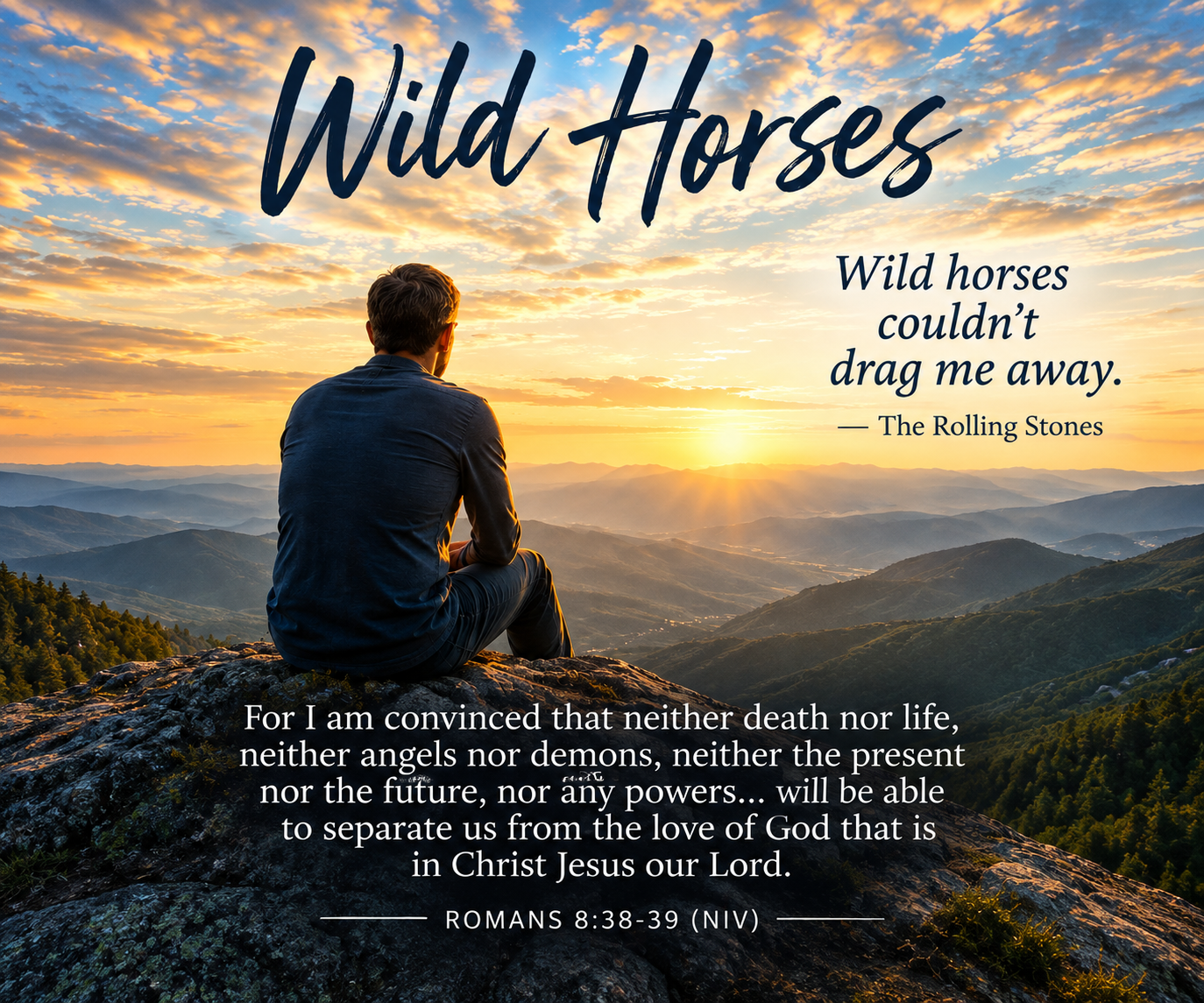
The Rolling Stones’ “Wild Horses.”
Written by Mick Jagger and Keith Richards, the song contains a line I’ve heard countless times over the years:
“Wild horses couldn’t drag me away.”
Suddenly those words meant something entirely different to me.
Wild horses couldn’t drag me away.
Not because I’m strong enough to resist them.
Not because my grip on Jesus is so extraordinary.
But because His grip on me is.
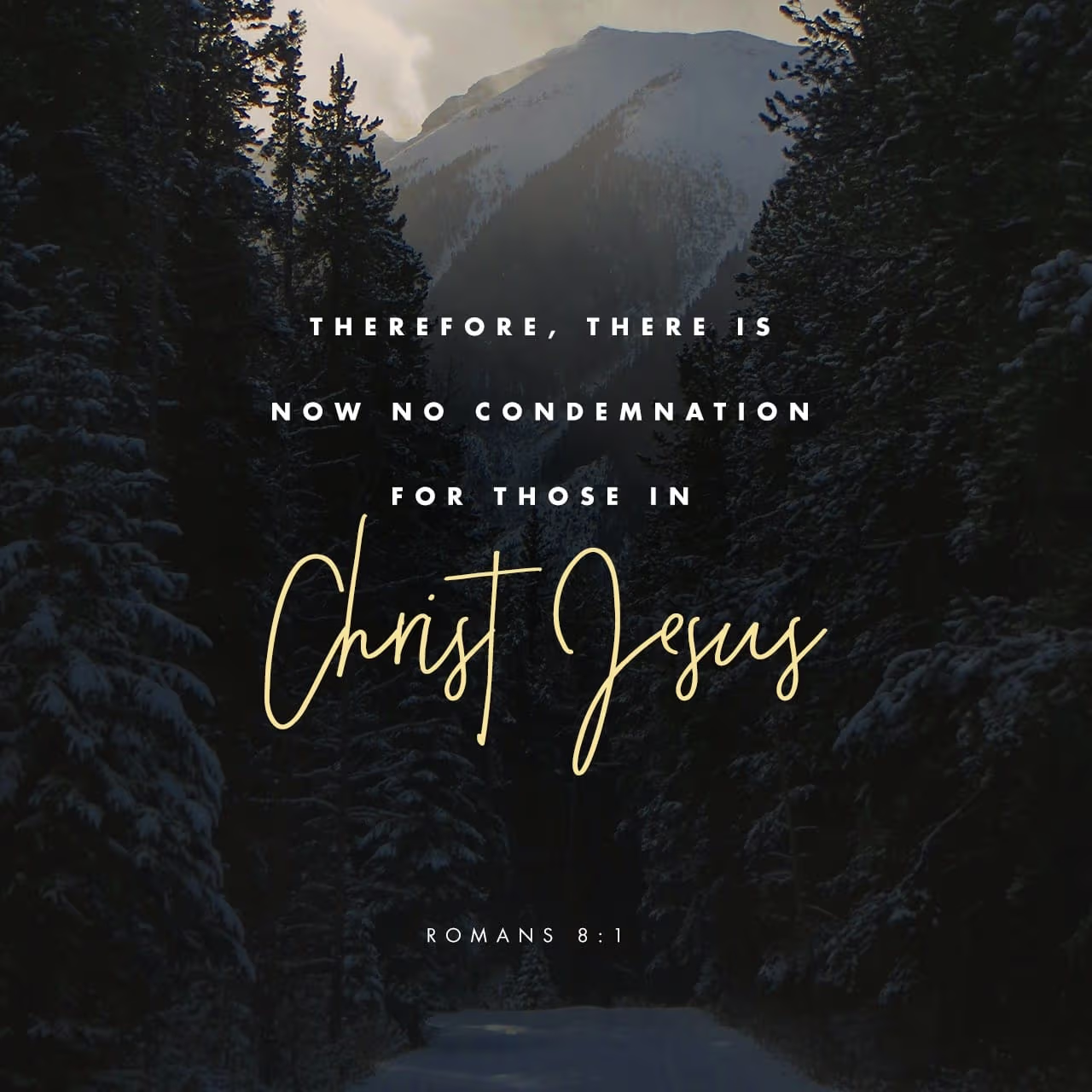
Paul expresses that assurance far more powerfully in Romans (in probably my favorite passage in the entire Bible):
“For I am convinced that neither death nor life, neither angels nor demons, neither the present nor the future, nor any powers… will be able to separate us from the love of God that is in Christ Jesus our Lord.”
Actually, Hebrews doesn’t tell me to fix my eyes on my performance.
Or on how far I’ve already run.
Or on how tired I am.
Fix your eyes on Jesus.
That’s where I went wrong in the image that first appeared in my mind.
I was looking at my hands.
Am I holding tightly enough?
Perhaps the better question is:
Whose hands are holding me?
A Final Encouragement
Eventually, my hike came to an end.
But the conversation stayed with me.
A year after losing my dad, I’ve traveled farther than I could have imagined—spiritually, emotionally, and geographically.
There have been mountaintops.
There have been valleys.
There have been times of remarkable closeness with God.
And there have been times when I’ve wandered toward the edge of the trail.
But through all of it, He has remained faithful.
I’m still learning to cling to Jesus.
I hope I always will.
But I’m even more grateful that my salvation doesn’t ultimately depend upon how tightly I can hold onto Him.
He’s holding onto me.
My strength may fail.
His won’t.
My attention may wander.
His doesn’t.
My faithfulness may falter.
His never will.
And because He has helped me build my life upon the bedrock of Jesus Christ, I can keep running the race He has marked out for me.
Or, on a beautiful morning in the mountains, simply keep hiking.
Knowing that whatever lies ahead…
wild horses couldn’t drag me away.
Not because of the strength of my grip on Him.
Because of the strength of His grip on me.
A Question to Sit With
Am I exhausting myself trying to hold onto God in my own strength…
or am I learning to rest in the truth that He is already holding onto me?
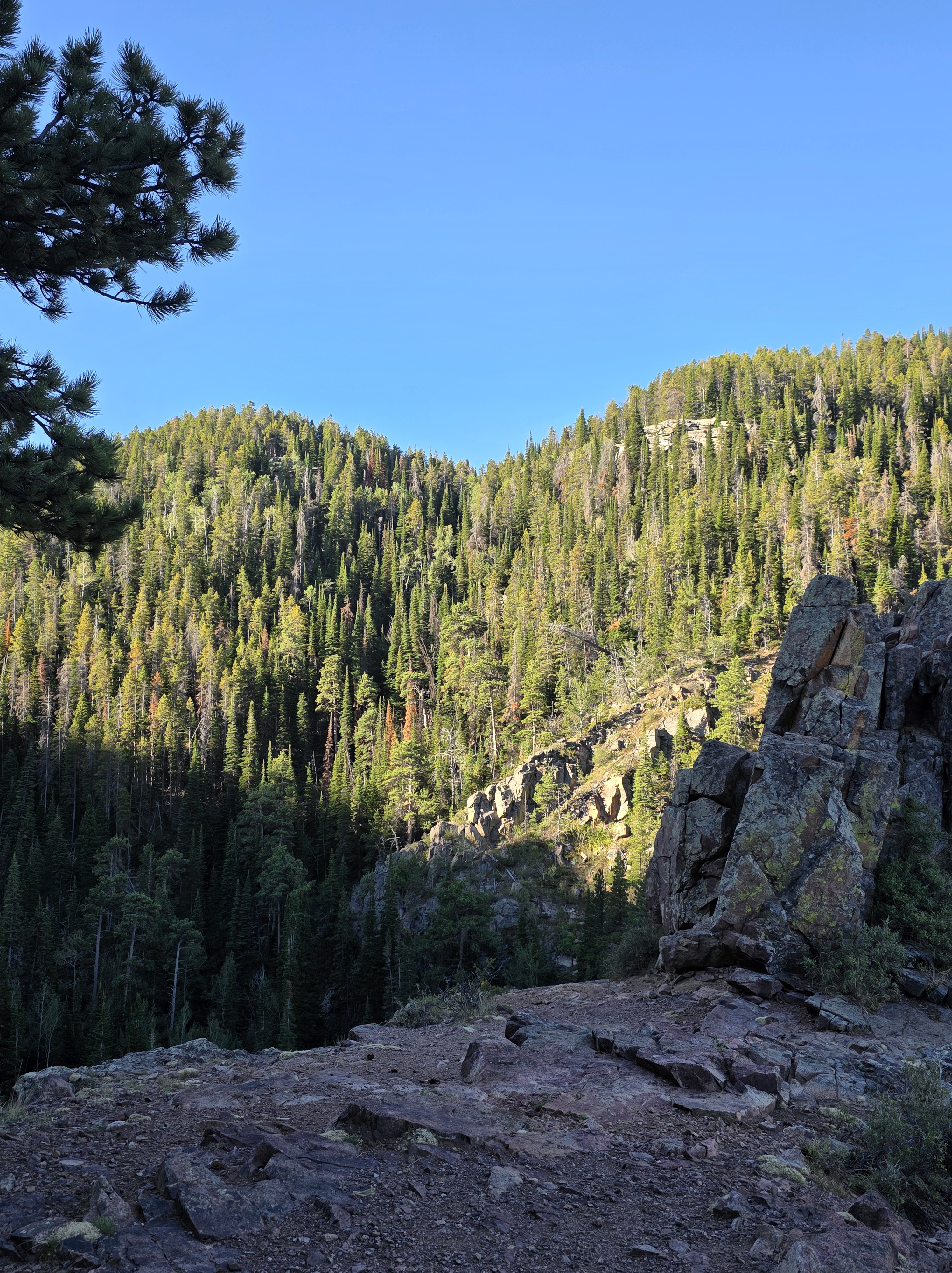
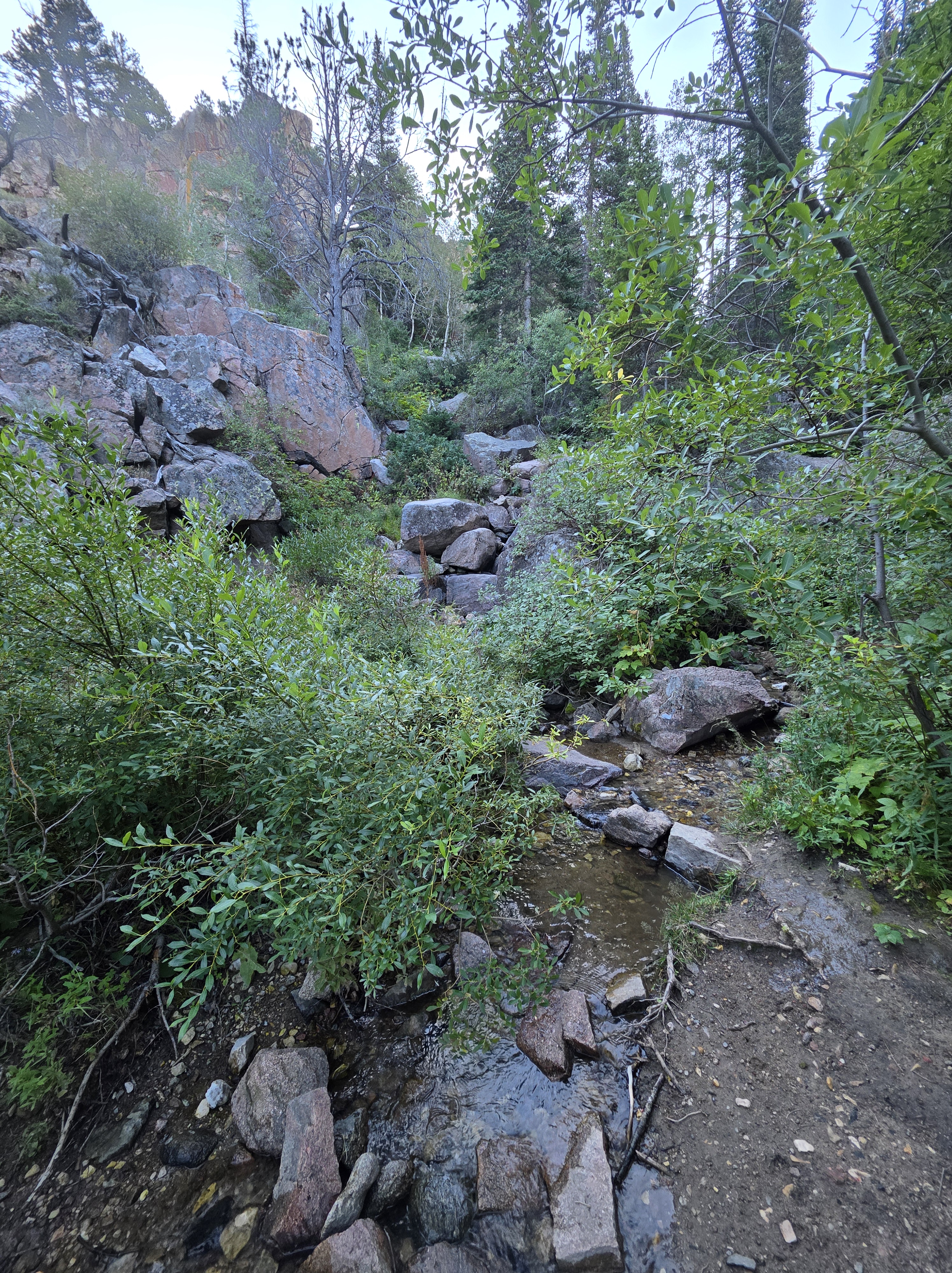
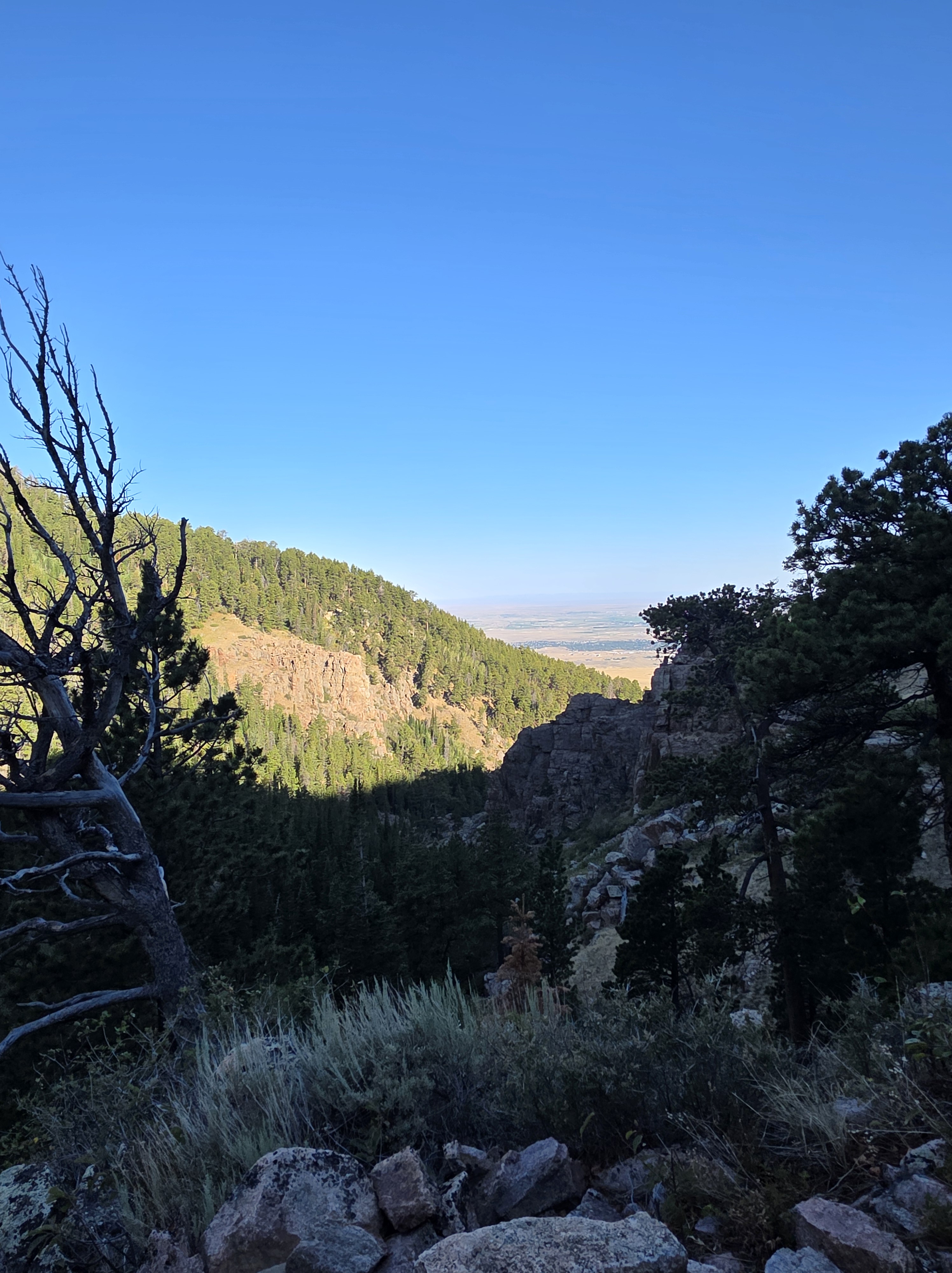
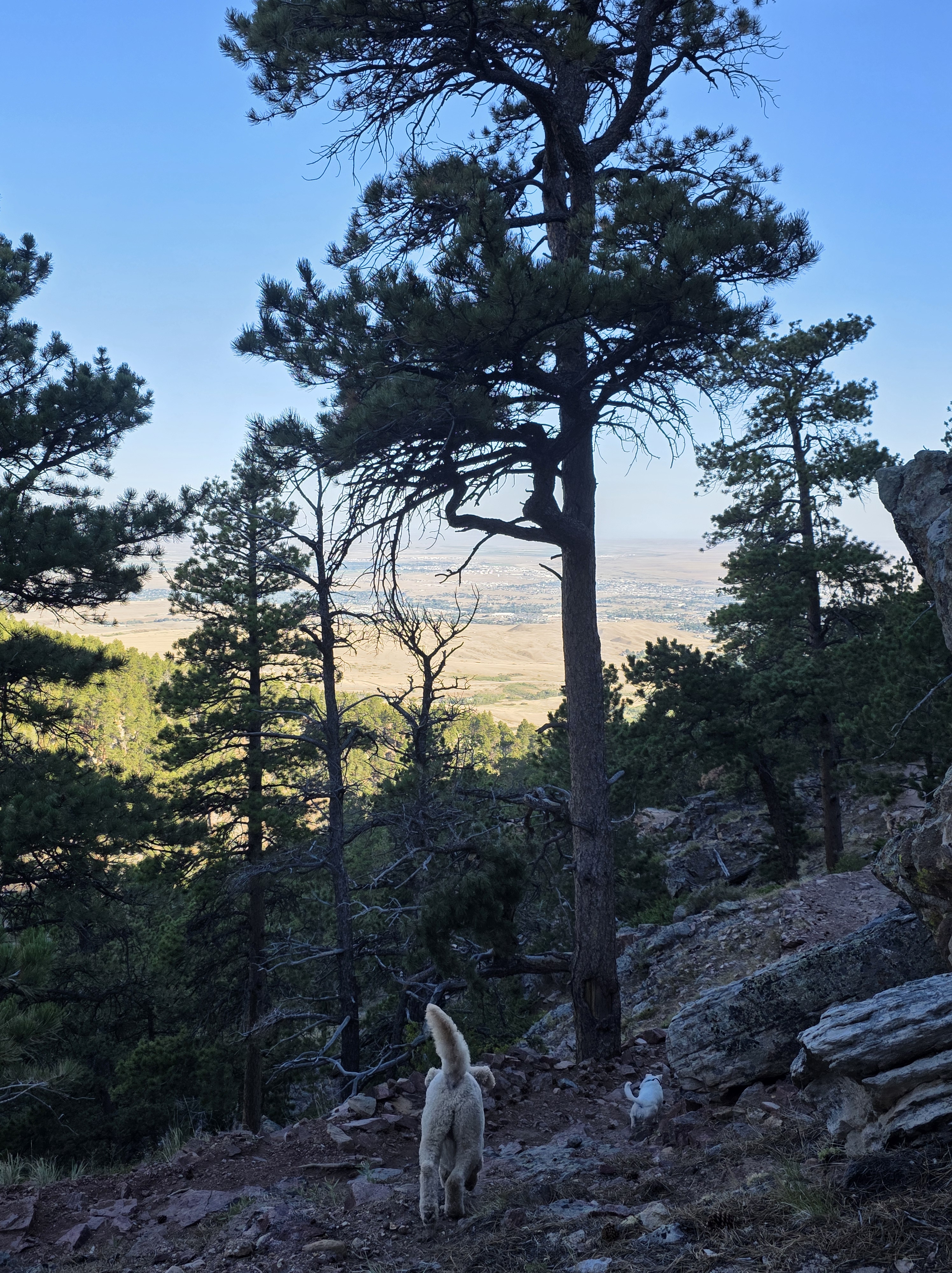
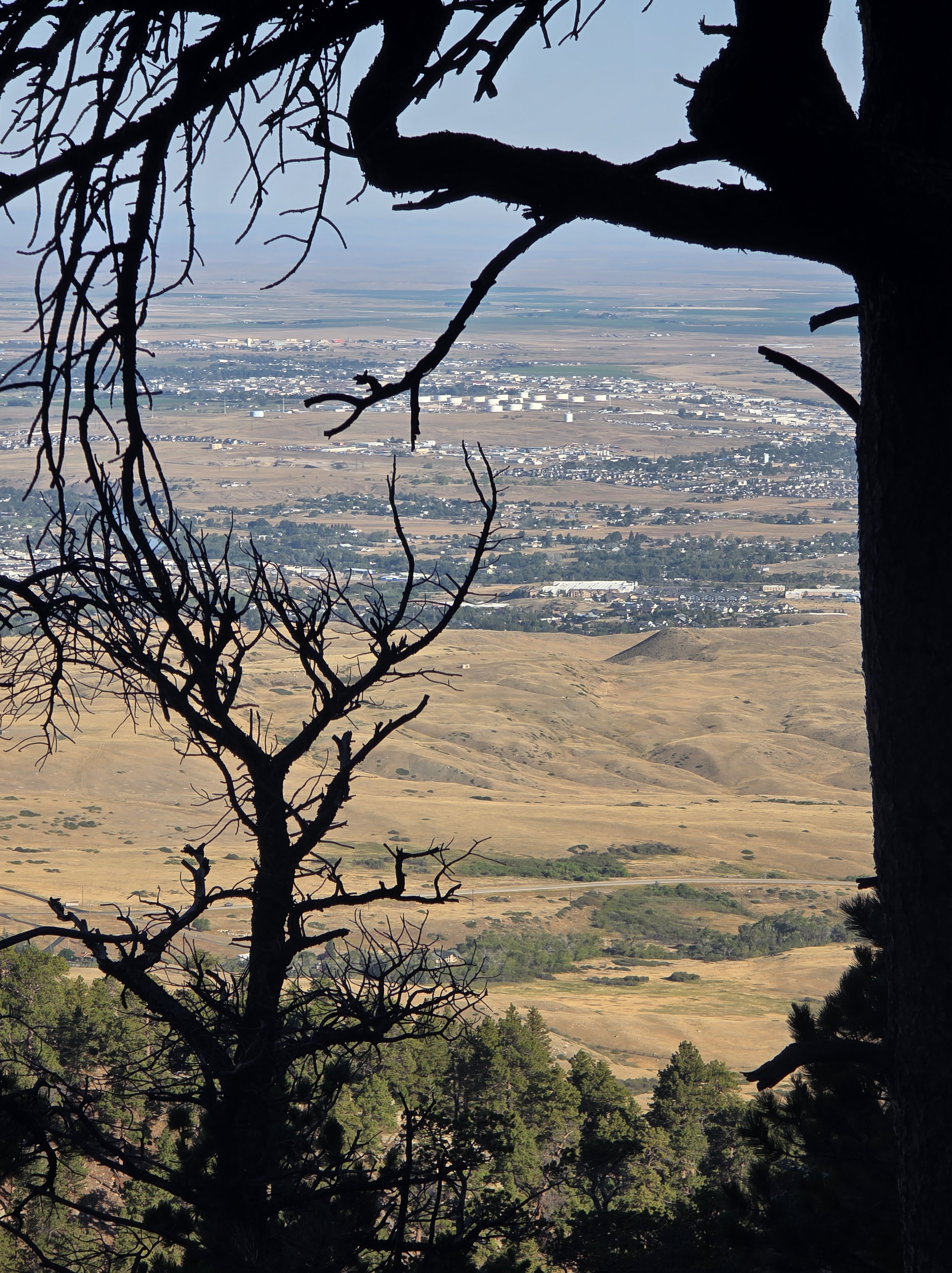
A quiet mountain stream along the Bridle Trail on Casper Mountain.Morning light reaches into the canyon on Casper Mountain, with the Wyoming plains stretching into the distance.My hiking companions chasing squirrels on Casper Mountain.Looking down on Casper and the wide-open Wyoming plains from Casper Mountain.
And lately, I’ve found myself wondering what it would look like if we took those words completely seriously—which, of course, we should do since Jesus said them.
Not just on Sundays.
Not just with our families and friends.
Not just with people who think like we do, look like we do, vote like we do, believe like we do, or treat us kindly.
What if love became the filter through which we passed virtually everything we did?
Apparently, nobody gets excluded from “everything.”
But Have You Met People?
This all sounds wonderful until we actually encounter other human beings.
Because people can be difficult.
Some are angry.
Some are rude.
Some are selfish.
Some seem to enjoy provoking others.
Spend five minutes reading comments on almost any controversial subject online and you’ll discover that humanity hasn’t exactly perfected this love-your-neighbor thing.
So what do we do when someone comes at us with anger, hatred, contempt, cruelty, or even foolishness?
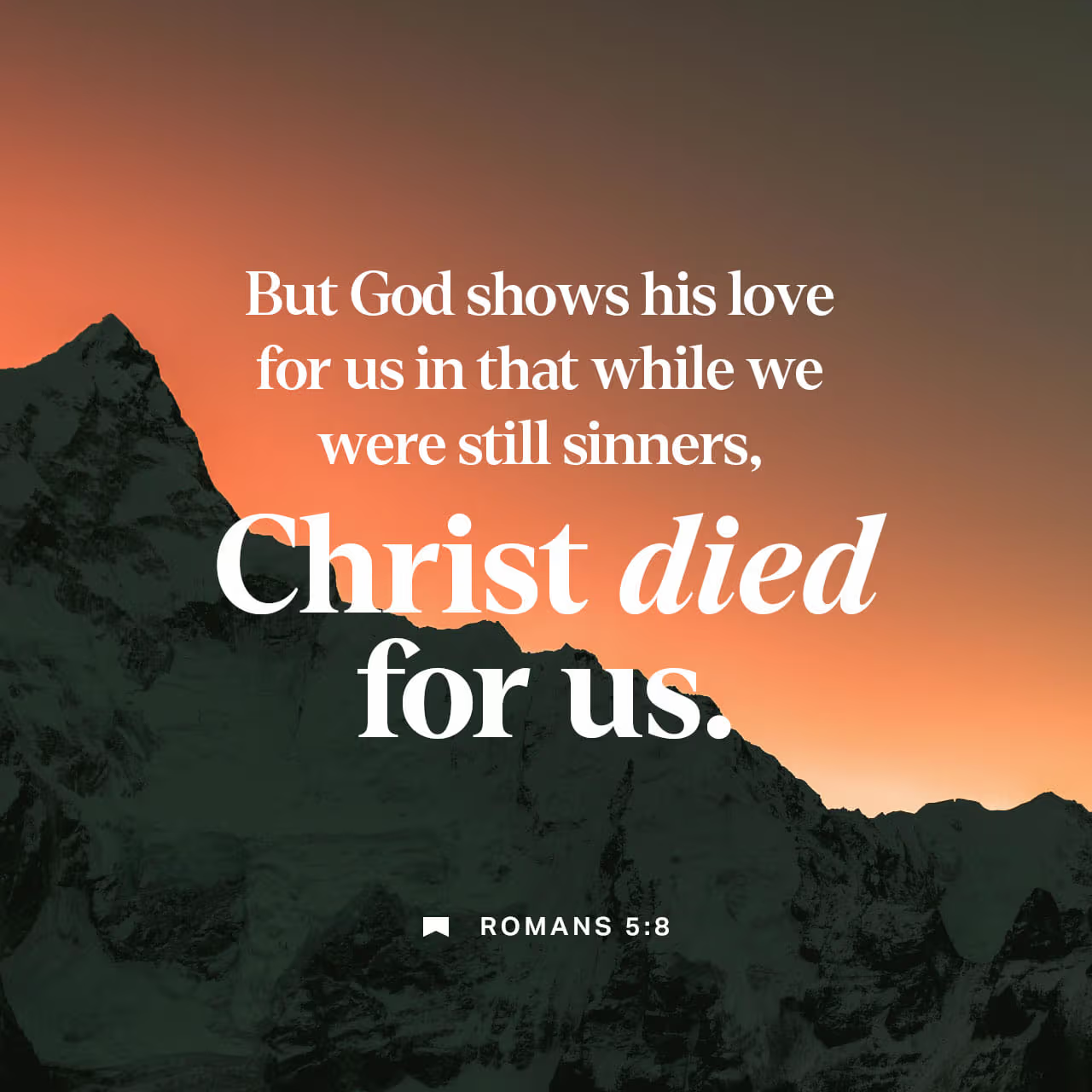
The cross is what God’s love looks like when fully unleashed upon a broken world.
It isn’t passive.
It isn’t weak.
And it certainly isn’t sentimental.
Love is a force that changes the world. It changes relationships. It changes enemies into friends. It changes broken people. It changes the person receiving it. And perhaps most importantly, it changes the person doing the loving.
Imagine what could happen if millions of followers of Jesus began taking seriously His command to love this way.
Not merely talking about God’s love.
Deploying it.
One conversation.
One act of forgiveness.
One meal.
One encouraging word.
One difficult relationship.
One hurting person at a time.
Maybe we spend too much time wondering how Christians can change the world.
Jesus already told us.
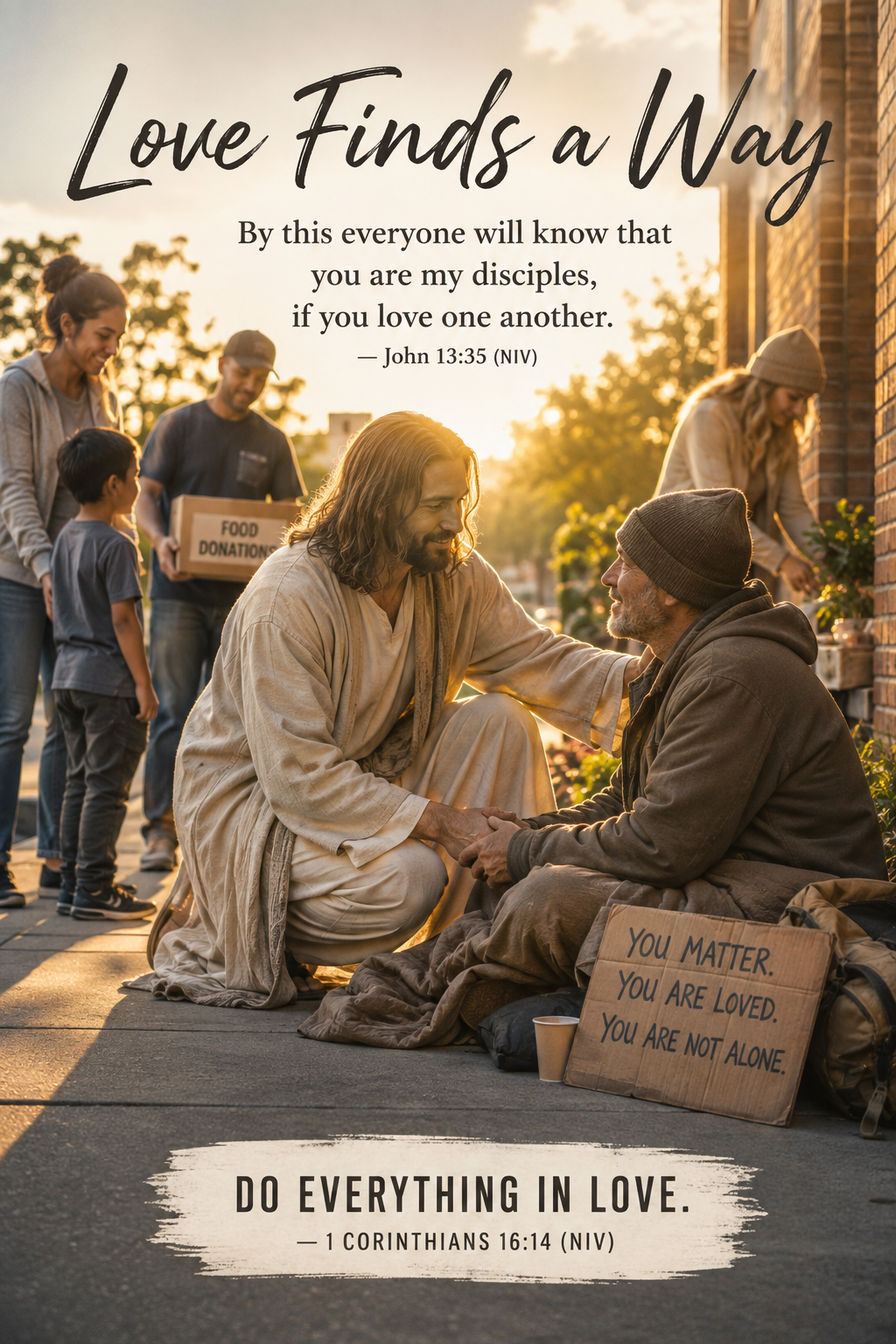
Love finds a way.
What Made Jesus So Compelling?
When I read the Gospels (and watch The Chosen), I’m continually struck by how people flocked to Jesus.
Crowds followed Him everywhere.
They pressed around Him.
They brought their children to Him.
They brought their sick friends and family members.
People climbed trees to see Him.
One group was so desperate to get a friend near Him that they tore a hole through somebody’s roof.
Certainly, some came because they wanted to see miracles or hoped Jesus would heal them.
But I suspect there was something else that made Him compelling.
People who had spent much of their lives feeling judged, rejected, ignored, or condemned discovered that Jesus was different.
He saw them.
The woman at the well.
Zacchaeus.
The woman caught in adultery.
Lepers whom others wouldn’t touch.
Children whom His own disciples tried to send away.
Tax collectors.
Sinners.
Outcasts.
You and me.
Jesus didn’t pretend their sins didn’t matter.
But neither did He reduce them to their sins.
He saw people whom God loved.
And they knew it.
What If We Looked More Like Jesus?
Sometimes I wonder what would happen if every follower of Christ treated people that way.
What if the people around us knew beyond any doubt:
Christians aren’t here to condemn me.
They’re here to love me.
They’re here to listen.
To encourage.
To help.
To pray.
To walk beside me when life falls apart.
To tell me the truth when I need to hear it.
And, most importantly, to introduce me to the God who loves me more than I can possibly imagine.
I wonder how full our churches might be if that’s what people consistently experienced from those of us who claim the name of Christ.
Jesus said love would identify us as His followers.
John takes the idea even further:
Dear friends, let us love one another, for love comes from God. Everyone who loves has been born of God and knows God.
Instead, they were longing for a better country—a heavenly one. Therefore God is not ashamed to be called their God, for he has prepared a city for them.
There’s another biblical story that comes to mind when I think about going home.
When God delivered the Israelites from slavery in Egypt, He didn’t simply rescue them and immediately deposit them in the Promised Land.
There was a journey in between.
God had to lead them out of Egypt.
And in a sense, He also had to get Egypt out of them.
They had spent generations living as slaves. Even after they were physically free, they repeatedly looked backward, sometimes remembering Egypt more fondly than it deserved to be remembered.
At one point, when the journey became difficult, they actually said:
“We remember the fish we ate in Egypt at no cost—also the cucumbers, melons, leeks, onions and garlic.”
God is continually calling us forward, but sometimes part of us still wants to go back—to an earlier time, an easier season, a familiar place, or a previous version of ourselves.
But God isn’t merely leading us from somewhere.
He’s leading us toward something.
And along the way, He is changing us.
Maybe that’s part of what this journey toward Home is all about. God leads us out of our own versions of Egypt—the things that enslave us, define us, frighten us, or tempt us to turn backward. And then, with our cooperation, He patiently works the Egypt out of us.
Old habits.
Old fears.
Old attachments.
Old ways of thinking.
The journey matters because God isn’t simply preparing a place for us.
He’s preparing us for the place.
We can be grateful for where we’ve been without mistaking it for where we’re going.
Glimpses of Home
This changes the way I think about some of my favorite memories.
Maybe those wonderful moments weren’t simply experiences to enjoy and then mourn when they were gone.
Maybe they were glimpses.
Signposts.
Little previews of something better.
The warmth of family gathered around a table.
The security of being surrounded by people who love you.
The joy of laughter.
The beauty of creation.
The feeling that, for just a moment, everything is exactly as it should be.
Perhaps those moments awaken something within us because they resemble, however imperfectly, the Home for which we were created.
And maybe that’s why we can never quite recreate them.
They were never the destination.
They were pointing toward it.
A Place Prepared for Us
Shortly before His crucifixion, Jesus spoke words of comfort to His disciples:
“My Father’s house has many rooms… I am going there to prepare a place for you.”
No relationships broken by distance, disagreement, disease, or death.
No wonderful moment followed by the realization that it can’t last.
God Himself dwelling with us.
Perhaps that’s the place our best moments have been whispering about all along.
A Final Encouragement
So maybe Thomas Wolfe was right.
You can’t go home again.
I can’t return to the Colorado Springs where my wife and I were raising three young children.
I can’t step back into those Christmas mornings.
Those school years.
Those family dinners.
Those ordinary days that I didn’t realize at the time would someday become treasured memories.
And that’s okay.
I’m grateful for those years.
I treasure the memories.
I wouldn’t trade them for anything.
But I don’t need to go back.
Those years weren’t the destination.
They were part of the journey.
And perhaps some of the things I loved most about them—the laughter, the family, the belonging, the sense that for a moment everything was exactly as it should be—were little glimpses of something I’ve been longing for all along.
Home.
Not the home behind me.
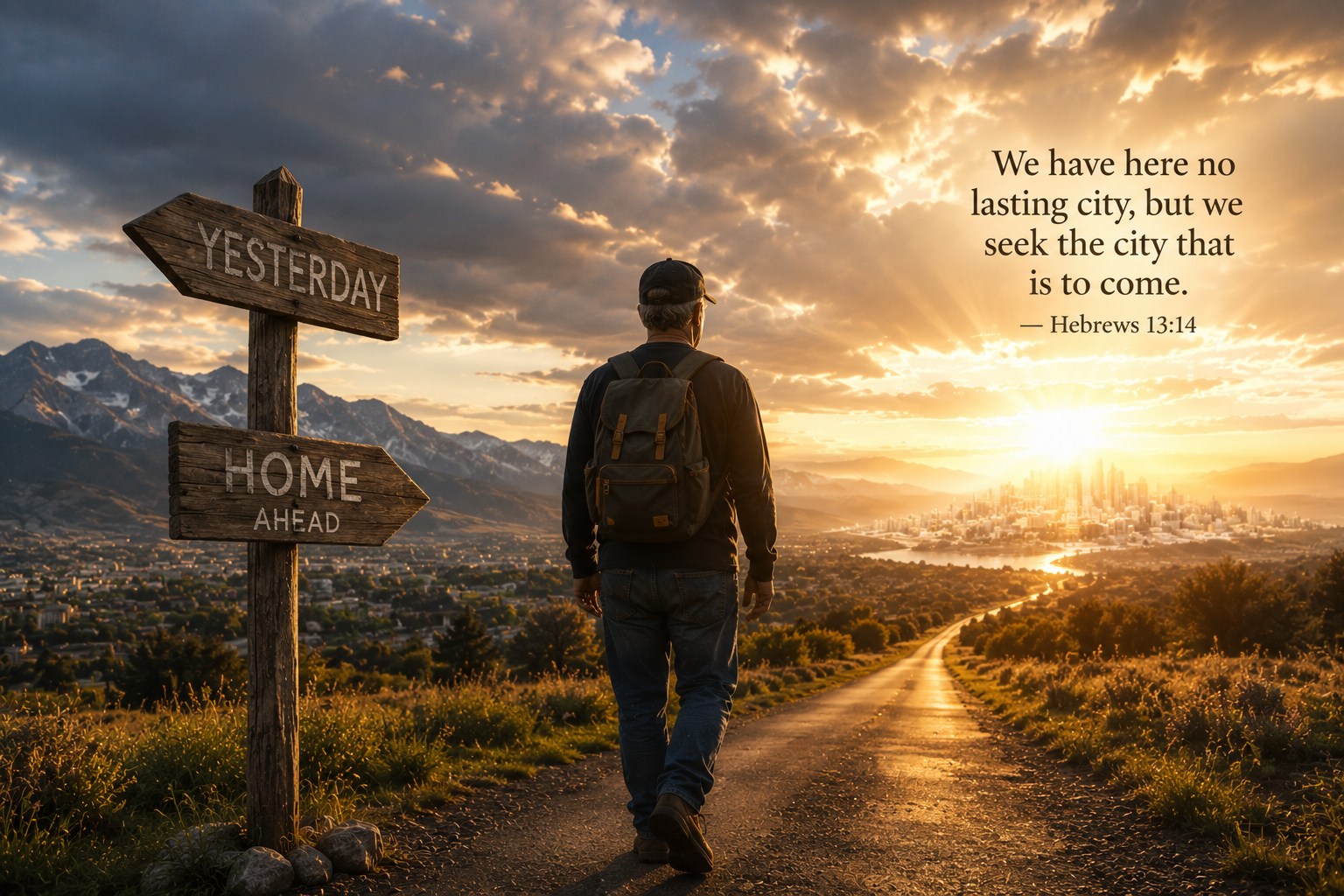
The Home ahead of me.
Jesus said He has gone there to prepare a place for us.
So maybe Thomas Wolfe was only half right.
You can’t go home again.
But by the grace of God, you can go Home.
A Question to Sit With
What have I been longing to return to…
and could that longing actually be pointing me toward the Home God has prepared for me?
Looking back over this summer, I’ve begun to realize something.
The biggest project God has been working on wasn’t our house. It was me.
If you’ve been reading my recent posts, you know that my retirement hasn’t exactly started the way I imagined. Instead of leisurely mornings and grand adventures, thanks to the house we bought in Casper, Wyoming, I’ve spent much of the summer repairing drainage, fixing sprinkler problems, tackling one unexpected project after another, and making more trips to the hardware store than I care to count.
There were days when I wondered if we’d ever reach the end of the list.
Now, as I look around our yard and house, I realize we’re finally beginning to see the finish line. We’re not there yet, but at least it’s in sight.
The drainage works.
Many of the repairs and renovations from our list are complete.
The house is starting to feel like home.
And that has caused me to reflect on another kind of work that has been taking place all along.
Letting Patience Finish Its Work
Last week, I wrote about God’s extraordinary patience with us.
This week, I’d like to consider why He is so patient.
The Apostle James writes:
Consider it pure joy, my brothers and sisters, whenever you face trials of many kinds, because you know that the testing of your faith produces perseverance. Let perseverance finish its work so that you may be mature and complete, not lacking anything.
Some older translations use the word patience instead of perseverance, which I think beautifully captures the idea James is expressing. Whether translated patience, perseverance, or steadfast endurance, the point is the same:
God is producing something in us.
James doesn’t simply say that trials happen.
He says they accomplish something.
And then he gives us a fascinating instruction:
Let perseverance finish its work.
In other words, don’t interrupt the process.
Remodeling More Than a House
As I have reflected on these past couple of months, I was reminded of one of my favorite passages from C. S. Lewis’s classic book Mere Christianity. His words describe God’s work in our lives better than I ever could:
“Imagine yourself as a living house. God comes in to rebuild that house. At first perhaps you can understand what He is doing. He is getting the drains right and stopping the leaks in the roof and so on; you knew that those jobs needed doing and so you are not surprised.”
All summer long, I believed I was remodeling a house.
God was remodeling a heart.
The drainage mattered.
The repairs mattered.
But perhaps the greater work was happening where no one else could see it.
Expanding patience.
Deepening trust.
Cultivating gratitude.
Growing perseverance.
Building character.
And quietly leading me toward hope.
The Storm Is Passing
Lately, it feels as though the storm that’s been raging all summer is finally beginning to pass.
The wind has settled.
The clouds are starting to break apart.
Sunlight is finding its way through again.
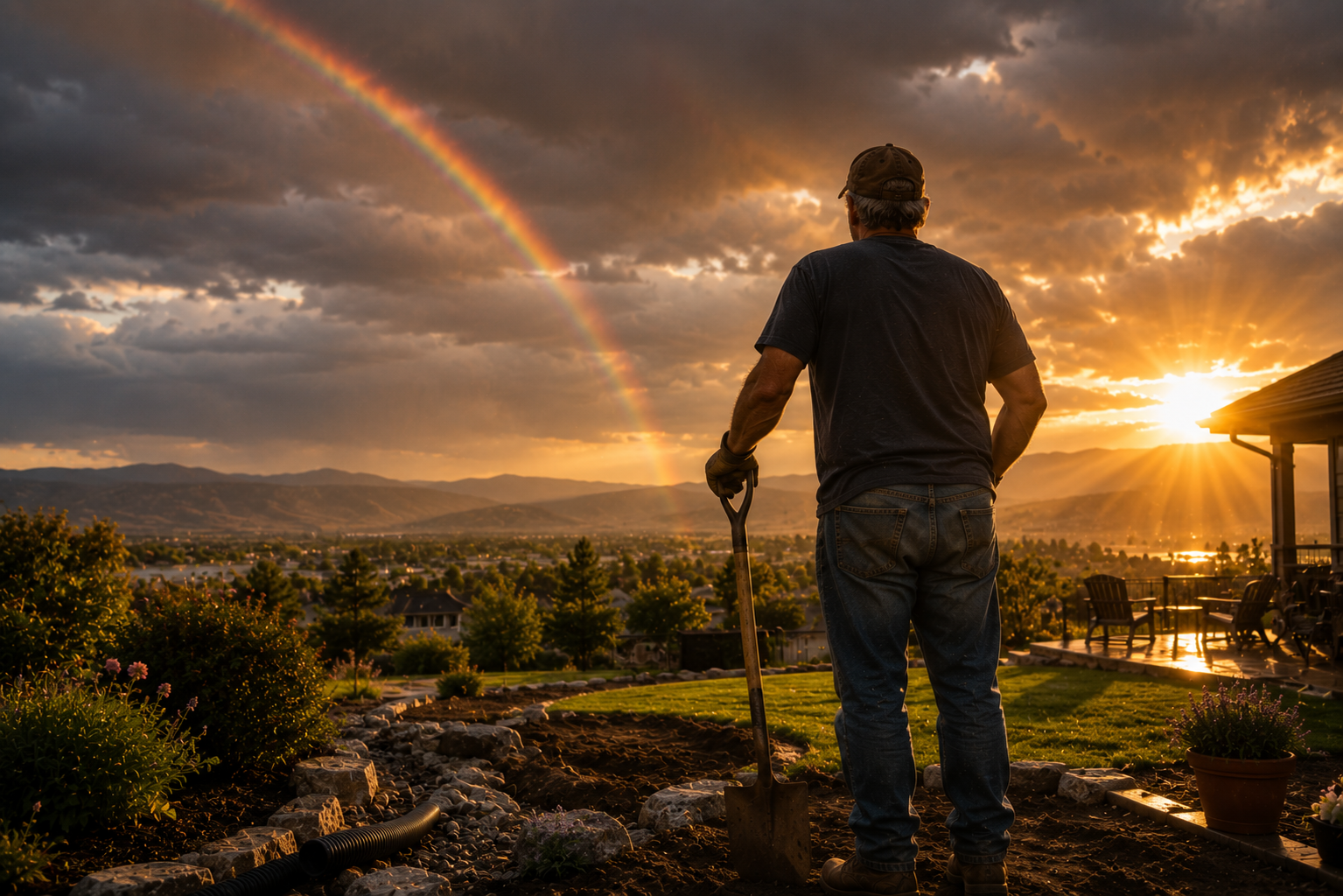
Soon, the only reminders of the storm will be the fresh smell after a cleansing rain, greener grass, and perhaps—even if only in my imagination—a rainbow stretching across the gleaming azure Wyoming sky.
Maybe that’s what hope often looks like.
Not pretending the storm never happened.
Not forgetting how hard it was.
But recognizing that God was faithful through every moment of it.
And by recognizing, remembering.
And remembering, turning back to God with gratitude. Even thanking Him for the things I really didn’t like at the time I was enduring them. Counting the blessings I discovered along the way.
A Final Encouragement
Perhaps you’re in the middle of your own storm today.
Maybe you can’t yet see the sunlight.
Maybe the list of problems still feels endless.
If so, don’t lose heart.
God isn’t finished yet.
Let patience finish its work.
Because the God who patiently walks with us through every trial is also patiently shaping us into who He created us to be.
And when He is finished…
You may discover that the greatest work He accomplished wasn’t around you. It was within you.
A Question to Sit With
What might God be building in me through the very season I’ve been asking Him to end?
Introduction: Growing Older… and (Hopefully) Wiser
One of the unexpected joys of growing older is occasionally realizing that God has been quietly changing you.
Not all at once.
Not dramatically.
Almost so gradually that you don’t notice it happening.
Until one day you realize you’re responding differently than you would have years ago.
I had one of those moments recently.
As I’ve shared in previous posts, my retirement has involved spending a great deal of time working on projects around our new home in Wyoming. Those projects have also given me something I never anticipated: many hours with my almost-four-year-old grandson.
He’s become my little coworker.
He asks a thousand questions.
He wants to help with everything.
Sometimes he actually helps.
Sometimes… he mostly slows me down.
And you know what?
I love every minute of it.
That surprised me.
Not because there’s anything wrong with him.
But because years ago, when my own children were little, I suspect I would have become impatient with their “help”.
Back then, I was usually trying to accomplish something. Get things done. Lots of things.
Now…
I’m trying to enjoy someone.
Somewhere along the way, I think God has made me a little more patient.
Please don’t misunderstand me.
I still have plenty of room to grow.
But I do think I’ve come a long way from where I once was.
And that realization led me to another thought.
If I’ve Grown More Patient…
…how patient must God be?
After all, He isn’t merely older than I am.
He is eternal.
The Ancient of Days.
The One who has never been in a hurry because He has never been constrained by time.
Scripture repeatedly describes Him this way:
The Lord is compassionate and gracious, slow to anger, abounding in love.
If I’m honest, retirement hasn’t started quite the way I imagined.
Like many people approaching retirement, I pictured more days shaped by what I wanted to do.
More adventures.
More leisurely mornings.
More writing.
More time enjoying this new season of life with my wife.
Instead…
I’ve spent much of the past month and a half digging trenches.
Repairing drainage.
Fixing water problems.
Making repairs.
Running to the hardware store so often that I think they should probably assign me my own parking space.
Sometimes it has felt like one long project interrupted only by the next one.
And while I’ve tried to keep a good attitude, there have certainly been moments when I’ve thought,
“Lord… surely we’re almost done now?”
Maybe you’ve experienced seasons like that too.
Not necessarily with a house.
But with life.
One challenge gives way to another.
One problem gets solved…
and another appears.
Looking for the Blessings
During this time, I’ve tried to remind myself of the obvious blessings.
I’m thankful we were able to buy this home.
I’m thankful we’re close to our children and grandchildren.
I’m thankful I have the time to work on these projects because I’m retired.
I’m thankful God has given me the health, strength, and resources to keep moving forward.
Those are all genuine blessings.
But they aren’t the blessings I want to tell you about today.
Because recently I realized…
God had buried another blessing underneath all the dirt.
Literally.
An Unexpected Helper
As I’ve mentioned before, I have two grandsons.
One recently turned two.
The other will soon celebrate his fourth birthday.
I adore both of them.
But if I’m being honest, I’ve often felt a stronger connection with the younger one.
The older grandson naturally gravitates toward his mom (my daughter) and my wife whenever they are around.
That’s perfectly normal.
He’s four.
Of course he wants his mom.
The younger one, on the other hand, has generally been content being relegated to grandpa when mom is occupied with his big brother.
So that’s simply how our relationships developed.
Or so I thought.
Grandalf’s Little Coworker
Then all these house projects came along.
One thing I’ve learned about my older grandson is that he absolutely loves having a job to do.
Whenever he sees me working outside, he comes running.
“Grandalf… can I help?” (I asked to have the boys call me “Grandalf”, with a tip of my hat to “Gandalf” from Lord of the Rings.)
My answer to him is always yes.
He’s so serious about his responsibilities that we bought him his own pair of work gloves.
He loves them.
Now…
Let’s be honest.
He isn’t exactly speeding up the projects.
In fact, if anything, they take a little longer.
But I’ve discovered something.
The projects aren’t really about the projects anymore.
They’re about us.
While I dig trenches, he asks a thousand questions.
“What does that tool do?”
“Why are you digging there?”
“Where does that pipe go?”
“Why are you doing that?”
I always take the time to try to answer his questions and explain things in ways I think he’ll understand. I love watching his little mind soak it all up.
Sometimes we even pause work altogether so we can dance to the music I have playing.
During one particularly hot afternoon, he decided his primary assignment was spraying Grandalf with water.
Oddly enough…
that turned out to be genuinely helpful.
I’ve laughed more than I expected.
Smiled more than I expected.
Connected more deeply than I expected.
The Blessing Hidden Beneath the Dirt
One afternoon it suddenly occurred to me.
If these house projects hadn’t happened…
I probably wouldn’t have spent nearly this much one-on-one time with my grandson.
God had buried a blessing inside a trial. What I initially saw as an interruption had quietly become one of my favorite parts of retirement so far.
Would I have chosen many weeks of drainage and other household problems to get there?
Probably not.
But would I trade these afternoons with my little coworker now?
Not a chance.
I Wonder…
That experience has made me wonder something.
I wonder how many blessings God buries inside our hardships.
I don’t pretend to know why He does it.
Perhaps it’s because blessings discovered unexpectedly become treasures.
Perhaps it’s because hardship slows us down enough to notice what we would otherwise overlook.
Perhaps it’s because He’s teaching us to keep looking for His goodness, even when life feels heavy.
Whatever the reason…
I’m beginning to suspect that some of God’s sweetest gifts are hidden beneath piles of frustration.
Looking More Carefully
James wrote:
“Consider it pure joy, my brothers and sisters, whenever you face trials of many kinds…”